
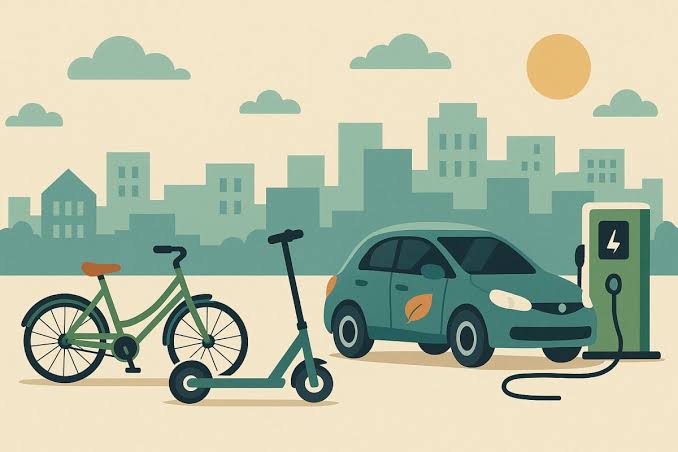
Sustainable Mobility and Road Safety: How Organizations Can Reduce Their Impact
Every day, millions of people travel for work, deliveries, customer visits and business operations. Mobility is essential for every organization, but it is also one of the main sources of environmental impact and road safety risks.
As World Car Free Day approaches on 22 September, organizations have an opportunity to rethink how people and goods move while improving both sustainability and safety.
International management system standards such as ISO 39001 and ISO 14001 provide a structured framework to achieve these objectives.
Mobility as a strategic business issue
Business travel affects:
- greenhouse gas emissions;
- employee safety;
- fleet operating costs;
- corporate reputation;
- ESG and sustainability performance.
Effective mobility management is not simply about reducing vehicle use. It means redesigning processes, promoting responsible behaviour and ensuring that every journey is necessary, efficient and safe.
ISO 39001: managing road traffic safety
ISO 39001 specifies the requirements for a Road Traffic Safety Management System.
Its purpose is to help organizations reduce road traffic accidents, injuries and fatalities linked to their activities.
The standard is suitable for organizations such as:
- transport and logistics companies;
- businesses operating vehicle fleets;
- public authorities;
- organizations whose employees travel frequently;
- companies committed to improving occupational road safety.
Implementing ISO 39001 helps organizations:
- identify road traffic risks;
- establish safer operating procedures;
- promote responsible driving behaviour;
- monitor performance;
- continually improve road safety;
- reduce accident-related costs.
ISO 14001: reducing environmental impacts
Transportation is often one of the most significant environmental aspects of an organization.
ISO 14001 helps organizations identify, manage and reduce environmental impacts by:
- monitoring fuel consumption;
- reducing greenhouse gas emissions;
- optimizing travel routes;
- encouraging low-emission vehicles;
- promoting remote meetings and smart working where appropriate;
- supporting sustainable commuting initiatives.
Environmental management is not only about regulatory compliance but also about improving efficiency and creating long-term value.
Two standards, one common objective
Road safety and environmental sustainability reinforce each other.
Better mobility planning reduces unnecessary travel, lowers emissions and improves safety at the same time.
Together, ISO 39001 and ISO 14001 provide organizations with an integrated approach to responsible mobility.
Looking ahead
World Car Free Day reminds us that every journey matters.
Organizations that integrate road safety and environmental management into their business strategy protect people, reduce environmental impacts and strengthen their long-term competitiveness.
International standards such as ISO 39001 and ISO 14001 provide a practical framework for turning sustainable mobility into a strategic advantage.
Leave a Reply