
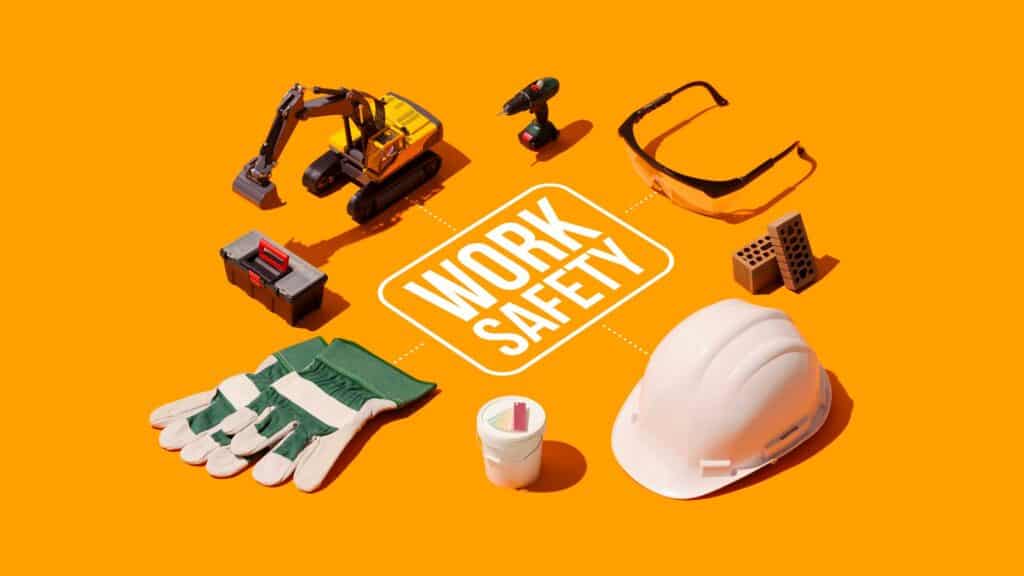
Workplace Safety: Building a Culture that Protects and Values People
1. Safety is not just an obligation, but a strategic choice
Health and safety at work should never be seen as a simple regulatory requirement. Protecting the physical and mental well-being of people is a strategic decision that contributes to the strength and sustainability of an organization.
2. Real risks beyond routine checks
Safety management is often entrusted to standardized procedures without widespread, genuine involvement. In reality, every workplace presents potential risks—physical, chemical, ergonomic, or psychosocial—that, if overlooked, can result in injuries or health damage.
3. Acting before it happens: a proactive approach
Building a safe work environment requires consistent and concrete commitment. Identifying hazards, involving employees, and implementing effective preventive measures are essential. Tools such as the hierarchy of controls help organizations intervene systematically, prioritizing permanent solutions.
4. A culture that involves everyone
Safety is not only about procedures and warning signs; it is rooted in corporate culture. When every individual, regardless of role, actively participates in prevention, a climate of trust, responsibility, and collaboration is created.
5. Technology and innovation serving safety
Environmental sensors, smart devices, and monitoring software offer new opportunities to manage risks in real time. However, no technology can replace human commitment and organizational culture.
6. Standards as a guide for continuous improvement
Adopting international standards such as ISO 45001 helps organizations structure their safety management systems in a consistent way and with a focus on continuous improvement.
7. Investing in people to protect the future
Putting health and safety at the center means building workplaces that are more resilient, attractive, and productive. Taking care of people is not only a duty, but an investment in the future of the organization.
Source: ISO
Leave a Reply